
Introduction
Packaging quality is a critical factor in today’s competitive market. It is no longer just about wrapping a product—it plays a vital role in protecting goods, enhancing brand identity, and improving customer experience.
High-quality packaging ensures that products reach their destination safely while maintaining their appearance and value. For industries like garments, where presentation and protection are equally important, packaging quality becomes a key business advantage.
What is Packaging Quality?
Packaging quality refers to the overall standard of materials, design, durability, and finishing used in packaging production. It ensures consistency, reliability, and performance across every stage—from manufacturing to delivery.
A strong focus on packaging quality helps businesses reduce damage, improve efficiency, and build trust with clients.
Key Types of Packaging Quality
1. Material Quality
High packaging quality starts with selecting the right materials.
- Durable carton boards for strength
- Premium tissue paper for garment protection
- Eco-friendly and recyclable materials
Good material quality ensures long-lasting protection and sustainability.
2. Structural Strength
Strong packaging design protects products during handling and transportation.
- Multi-layer cartons (3 ply, 5 ply, 7 ply)
- Reinforced structures for heavy loads
- Precision die-cutting for accuracy
This level of packaging quality reduces product damage and ensures safe delivery.
3. Printing and Finishing Quality
Packaging is also a branding tool. High-quality printing enhances product presentation.
- Sharp and high-resolution printing
- Clean cutting and smooth finishing
- Use of eco-friendly inks
Better visual quality improves brand perception and customer trust.
4. Consistency and Precision
Consistency is essential in large-scale production.
- Uniform size and shape
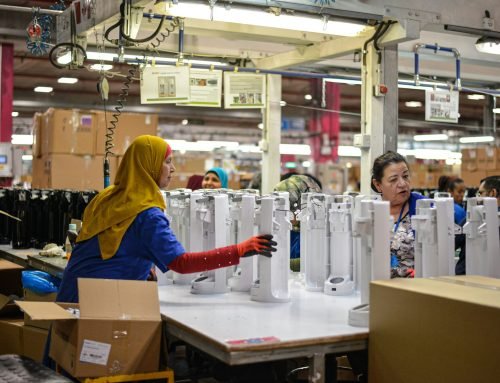
- Automated manufacturing processes
- Strict quality control systems
Reliable packaging quality ensures every unit meets the same standard.
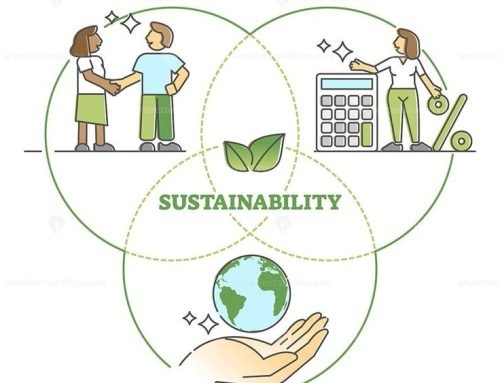
5. Sustainable Packaging Quality
Modern businesses demand environmentally responsible packaging.
- Biodegradable materials
- Reduced waste through smart design
- Recycling and reuse systems
Sustainable packaging quality supports long-term environmental goals.
6. Functional Design
Effective packaging must be practical and efficient.
- Easy to handle and store
- Optimized for transport
- Designed for product safety and display
Functional packaging quality improves logistics and user experience.
Benefits of High Packaging Quality
Investing in packaging quality provides multiple advantages:
- Protects products from damage
- Enhances brand image
- Improves supply chain efficiency
- Reduces operational costs
- Supports sustainability initiatives
For garment and export industries, high packaging quality ensures products reach global markets in perfect condition.
Conclusion
Packaging quality is a combination of material excellence, smart design, precision manufacturing, and sustainability. Companies that prioritize packaging quality gain a competitive edge by delivering reliable, attractive, and efficient solutions.
As industries continue to evolve, the demand for high-quality packaging will only increase. Businesses that invest in better packaging today are building stronger brands for the future.